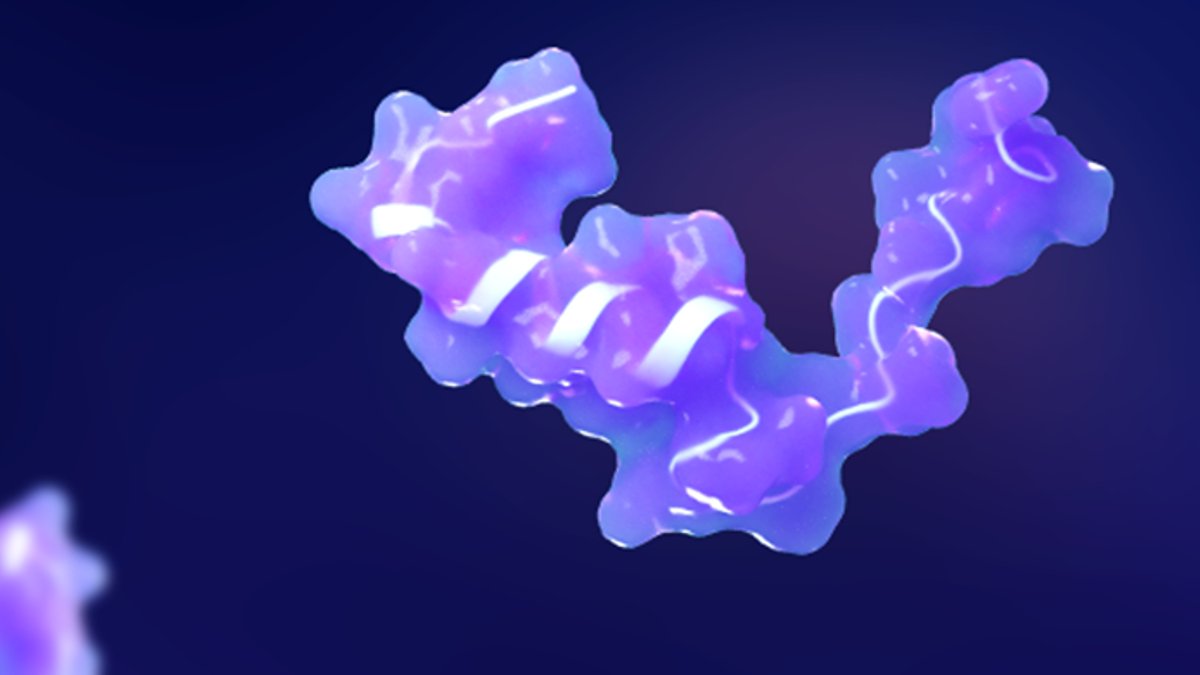
The demand for peptide therapeutics has grown rapidly in recent years, driven by the success of GLP-1 drugs. These peptides have become a focus for developers and sponsors due to their potential in treating diseases where small-molecule drugs or therapeutic antibodies are less effective.
GLP-1 drugs have been particularly successful in treating obesity, but they also show promise in treating cardiovascular, neurological, and psychiatric disorders. As peptides evolve beyond single-target GLP-1 analogs into dual agonists, triple agonists, oral peptides, and conjugated constructs, metabolic stability has emerged as a significant development hurdle.
Metabolic Stability Challenges
Structural modifications that enable enhanced functionality can also introduce new clearance mechanisms, increase susceptibility to degradation, and create uncertainties in translational outcomes. As a result, researchers must prioritize metabolic stability at the center of ADME, DMPK, and toxicology strategies.
Drug metabolism plays a central role in both pharmacology and safety, influencing how quickly a drug is activated or deactivated, how long it remains in circulation, and whether it produces toxic or therapeutically effective metabolites. Although peptides and small molecules share broad pharmacokinetic and metabolic principles, important differences exist.
Small molecules are typically metabolized by cytochrome P450 enzymes into active or inactive metabolites, whereas peptides are primarily degraded by proteases. This inherent poor metabolic stability, combined with challenges such as higher molecular weight and limited membrane permeability, can restrict broader applications and complicate oral delivery.
Read Also: Medable AI Agent Promises $21M Value in Clinical Trials
Addressing Metabolic Stability in GLP-1 Drugs
Developers have successfully introduced innovative strategies to address stability issues in single-target analogs, such as lipidation to enhance albumin binding, incorporation of non-natural amino acids to improve stability, and depot formulations to extend absorption. For example, semaglutide boasts a half-life of 165 hours, enabling once-a-week dosing.
Researchers achieved this feat through amino acid modifications, structural design, and lipid conjugation, thereby enhancing plasma protein binding, reducing renal clearance, and prolonging systemic exposure. While these strategies can extend half-life or improve efficacy, they can also alter the way the drug is cleared, where it’s degraded, and which metabolites are produced.
The challenge is not just to make the molecule last longer but also to understand how each stabilizing modification affects the full metabolic profile. This understanding is critical for designing more stable and predictable therapies, particularly as peptides move beyond single-target GLP-1 analogs into more complex dual and triple agonists.
One of the key factors in achieving this understanding is characterizing peptide-metabolizing enzymes and evaluating those responsible for degrading peptides in the GI tract, liver, kidney, and plasma. Each of these tissues brings its own nuances to testing, and integrated studies across these areas are essential for developing multifunctional peptides with improved metabolic stability.
For instance, plasma stability was tested using three reference peptides to assess the effects of anticoagulants, plasma status, and matrix type. The results revealed shorter peptide half-lives in heparin sodium-anticoagulated plasma versus EDTA-K2 plasma, supporting the use of frozen plasma collected with sodium heparin for peptide metabolic studies.
As researchers continue to develop and refine peptide therapeutics, understanding tissue-specific peptide metabolism will become increasingly critical. This includes evaluating the role of key digestive enzymes such as pepsin, trypsin, pancreatin, chymotrypsin, and elastase in the GI tract, as well as the metabolic processes in the liver and kidney.
Read Also: Cancer vaccine uses COVID immune memory
The liver, as the principal organ of drug metabolism, contains Phase I and II enzymes that drive a drug’s biotransformation and metabolism. Researchers have compared different liver-based lab systems and found that liver S9 fraction exhibited higher or similar intrinsic clearance for commercial peptides than other systems, producing data that correlated most closely with in vivo results.
Kidney metabolism is commonly assessed using kidney microsomes, kidney S9 fractions, and kidney homogenates. For peptides, kidney S9 and kidney homogenate are most relevant, as microsomes are more commonly used for small-molecule metabolism studies.
Dr. Hanlin Tao and Haijuan Liu at WuXi AppTec are working to advance our understanding of peptide metabolism and develop new strategies for improving metabolic stability.
In 2022, tirzepatide became the first FDA-approved GIP/GLP-1 dual agonist, and others have followed. Mazdutide, a GLP-1R/GCGR dual-target therapy, was approved by China’s National Medical Products Administration in 2025. Retatrutide, a triple agonist, is highly anticipated and has shown encouraging results in clinical trials, with its development highlighting the importance of addressing metabolic stability in multifunctional peptides.
Future of Peptide Development
The development of multifunctional peptides is becoming increasingly complex. Unlocking dual and triple agonists, oral peptides, and conjugated constructs requires understanding how each modification affects metabolism and clearance. Metabolic stability will shape decisions on molecular design, administration route, and study strategies.