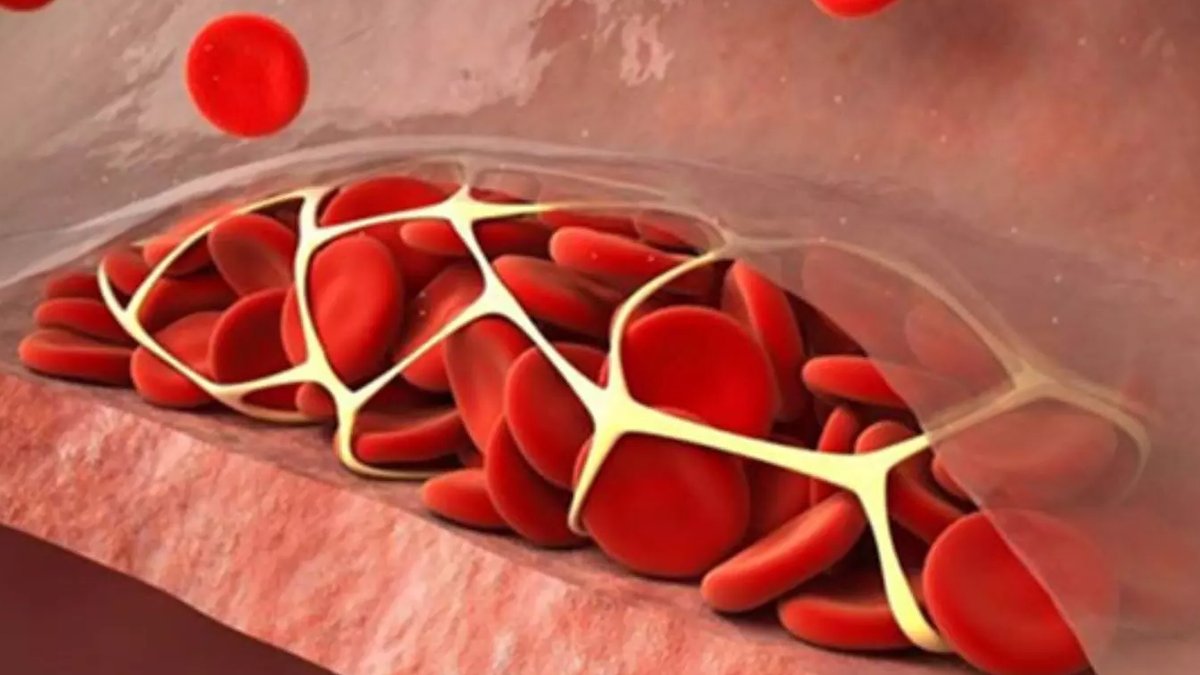
A new study in the Journal of American Medical Association found that tenecteplase, a clot-busting drug, significantly reduces door-to-needle and door-in-door-out times for stroke patients compared to alteplase. Rapid reperfusion treatment is essential for improving outcomes in acute ischemic stroke, with door-to-needle and door-in-door-out timings serving as key metrics for hospital efficiency.
Unlike alteplase, which requires a 60-minute infusion after an initial bolus, tenecteplase is administered as a brief 5- to 10-second bolus. This simplified delivery method streamlines treatment and reduces delays. The study analyzed data from the American Heart Association’s Get With The Guidelines-Stroke registry, focusing on over 133,000 adult stroke patients who received intravenous thrombolysis between July 1, 2020, and June 30, 2022.
Researchers compared workflow metrics between patients treated with tenecteplase and alteplase. Door-to-needle time measured treatment initiation speed for patients arriving directly at the hospital, while door-in-door-out time tracked transfers after thrombolysis. The analysis used generalized linear mixed models to evaluate relationships between drug choice and treatment intervals. Secondary outcomes included door-to-puncture times and other endovascular process parameters for patients undergoing thrombectomy.
Read Also: ENT Surgeon Charges Fees Based on Patient Income
Tenecteplase users experienced markedly shorter treatment times. Patients receiving the drug were more likely to meet critical 30-, 45-, and 60-minute treatment windows. Average door-to-needle delays decreased consistently, and procedural milestones advanced more quickly for patients undergoing subsequent thrombectomy. Hospitals transitioning to tenecteplase during the study period saw immediate improvements in overall treatment speeds.
The findings suggest tenecteplase benefits both on-site thrombectomy centers and hospitals transferring patients for endovascular therapy. Faster drug administration translates to reduced delays across the treatment pathway, potentially enhancing patient outcomes through quicker reperfusion.
These findings were published in JAMA Network Open, 9(7), e2623260. https://doi.org/10.1001/jamanetworkopen.2026.23260


