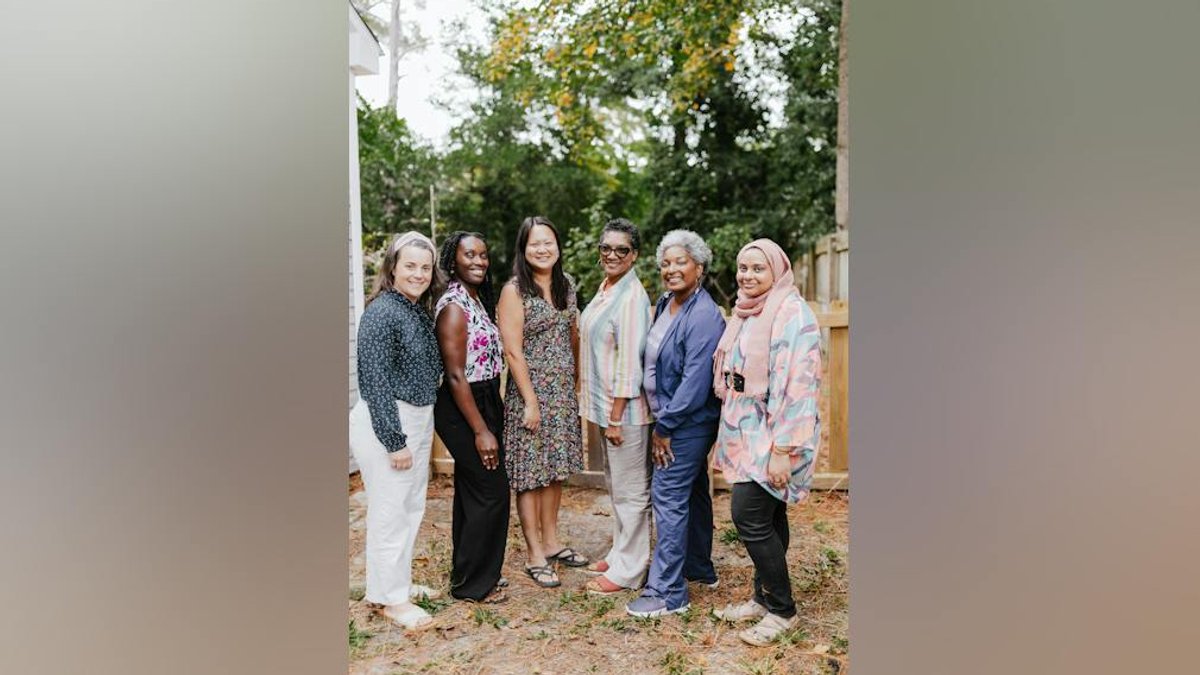
Researchers at the University of North Carolina have launched a major study aimed at closing the gap in pregnancy outcomes for Black mothers. The project, called ACURE4Moms, is testing whether a combination of community support and digital alerts can prevent low birth weight and other severe complications. The initiative, funded by a $10 million grant from the Patient-Centered Outcomes Research Institute, uses data from the NC Health Information Exchange Authority’s NC HealthConnex HIE to identify high-risk patients.
The study involves four arms: standard care, data alerts, community doulas, and a combination of both interventions to evaluate their individual and combined effects. Community doulas provide extensive, full-spectrum support from conception through postpartum, addressing social determinants like housing and domestic violence that impact pregnancy outcomes. Real-time data alerts from the NC Health Information Exchange notify clinics of high-risk patients, improving follow-up and management of conditions like high blood pressure and missed visits.
Community Doulas Bring Full-Spectrum Support
Initial feedback indicates clinicians find the alerts helpful for tracking patient progress and preventing missed care, though sustainability remains a challenge due to resource constraints. The project emphasizes the importance of community involvement and policy support to sustain successful interventions beyond the grant period, including reimbursement strategies for doula services.
Rachel Peragallo Urrutia, M.D., an associate professor in the UNC Department of Obstetrics and Gynecology and co-principal investigator, explained the impetus for the study: “Across the United States, we have an epidemic of preventable maternal morbidity and mortality that seems to be increasing and that definitely disproportionately impacts certain populations.” She noted a huge disparity in low birth weight between families who identify as Black and families who identify as white, stating that this shouldn’t exist.
Read Also: Three healthcare programs solve real problems with data
The team adapted methods from a previous study called “ACCURE” that reduced disparities in cancer care. That work inspired them to apply similar accountability tools to maternal health. The researchers also relied on evidence showing that women matched with a community-based doula early in pregnancy had lower rates of low birth weight. Because low birth weight is a problem that worsens over time, Tang said they could not wait to generate the evidence needed to intervene.
Tech Team Builds Electronic Maternal Warning System
Maya Jackson, founder and executive director of MAAME Inc. and doula lead for the western half of ACURE4Moms sites, stressed that as community-based doulas, they provide more extensive care than a private doula or an institution-based doula. “A lot of our work is full spectrum. We’re there at every stage from conception, pregnancy, sometimes loss, birth, and postpartum, and we are also there for an extensive time postpartum, which often is left as an unseen form of care after the baby is born,” she said.
Jackson added that a lot of these families are dealing with life situations that are sometimes more difficult than their current medical conditions or the pregnancy. When you add on issues of housing, domestic violence, and financial situations, these things can impact the pregnancy and exacerbate the situation even more. She noted that the doulas can make providers aware of some of the challenges that they’re seeing with patients.
Shawn McCartt, senior consultant and technical lead at software development and IT consulting firm J2 Interactive, explained the technical side of the project. “We developed an electronic maternal warning system to notify the clinics whenever a patient had a risk factor.” The system is based on the HIE’s analytics environment, where data comes in from providers across the state. It sends out notifications when certain logic triggers them based on diagnoses, conditions, observations, and blood pressures.
Read Also: VR Team Wins Innovation Award for Healthcare Training
For each clinic that is enrolled, they can see only their clinic’s data, but they see the patients that they’ve enrolled for the maternal health alerts. The four alerts are the high blood pressure, critical high blood pressure, missed visit, and aspirin alert. They could see which ones are in progress and which ones the provider has followed up on. Valiani noted that while HIEs have chronic disease alerts in other programs, these are the only ones providers have actually followed up on.
While the study is still ongoing, Tang said qualitatively they have heard good things about the alerts. Some clinics and providers were appreciative that it made them think about how to improve their workflows and make sure their patients were getting onto baby aspirin if they had risk factors for preeclampsia. Tang added that it is very overwhelming as a provider to remember everything all the time, but when you have an alert that’s reminding you, it’s that backup just to make sure that things aren’t missed.
Project Sustainability
Ensuring Interventions Last Beyond Grant Funding
One of the primary concerns for the ACURE4Moms team is whether the interventions can continue after the funding ends. The researchers have discussed this with a stakeholder advisory board that includes representatives from Medicaid and the Department of Public Health. For doula services, Peragallo Urrutia noted that Maya Jackson and others have worked with private payers to establish reimbursement models to ensure the support can continue without grant money. However, sustainability for the data components is less certain. The team believes that publishing the results to demonstrate effectiveness is necessary to encourage continued use. Without clear data showing the benefits and policy support such as value-based payments, providers are unlikely to maintain the alerts due to their already heavy workloads.
Peragallo Urrutia highlighted the technical difficulty of identifying pregnancy-specific data within existing systems. She noted that pregnancy is a unique state in healthcare involving two patients and a short timeframe, yet data systems are typically designed for adult or pediatric care. This makes it difficult to extract key variables like due dates and birth weight. She emphasized that health information exchanges need to develop structures to identify these variables, as doing so could significantly impact future research and care in this area.