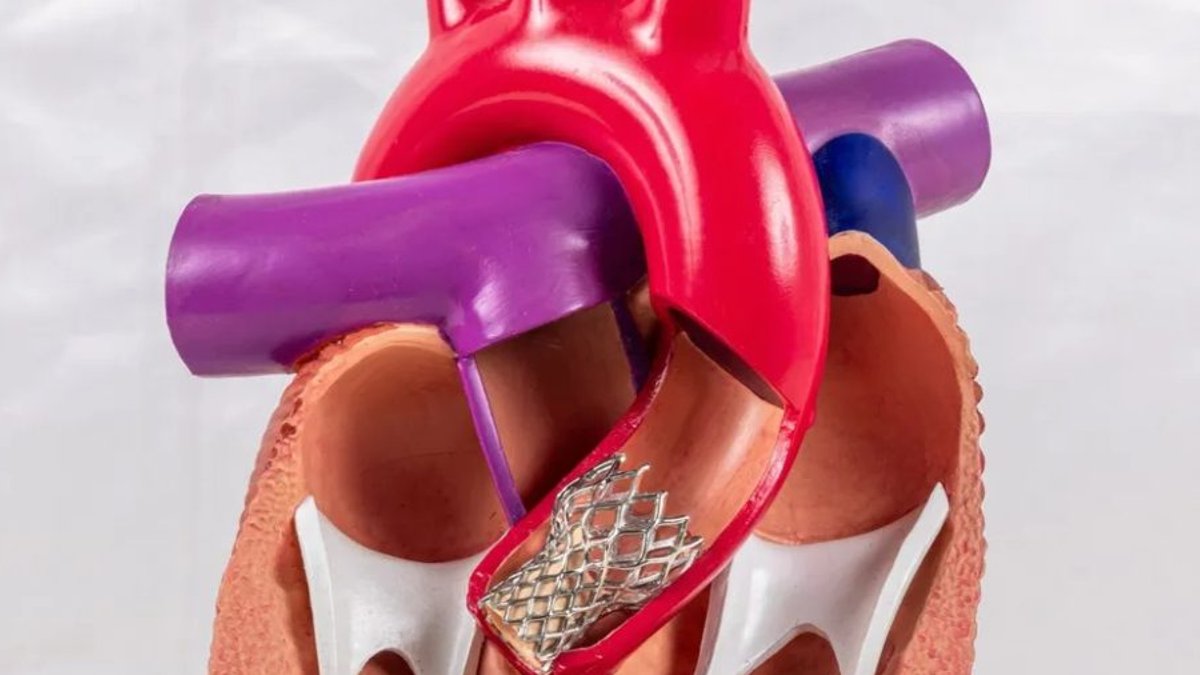
Transcatheter aortic valve implantation (TAVI) is now a well-established alternative to open-heart surgery for patients with severe aortic stenosis. Still, achieving optimal valve expansion remains essential. Poor valve expansion can cause uneven blood flow, leaks around the valve, and potential long-term damage to the prosthetic. Although balloon postdilation—reinflating the valve to correct its shape—has been used when initial deployment appears uneven, its routine use across all patients has been debated.
The DUOTAP trial, a randomized study, examined whether performing postdilation after TAVI consistently improves valve function without increasing risks. The investigator-initiated, single-centre, single-blinded study was conducted at the Medical University of Vienna, Austria. Between January 2025 and April 2026, 148 patients with severe aortic stenosis undergoing transfemoral TAVI using a balloon-expandable valve were randomly assigned to routine postdilation or a control strategy without routine postdilation. Patients with certain high-risk anatomical or procedural characteristics were excluded, allowing the investigators to evaluate the intervention in a selected population considered suitable for this approach. Randomisation was stratified according to valve size, with 74 participants allocated to each group.
Read Also: Physiology key to VA-ECMO success
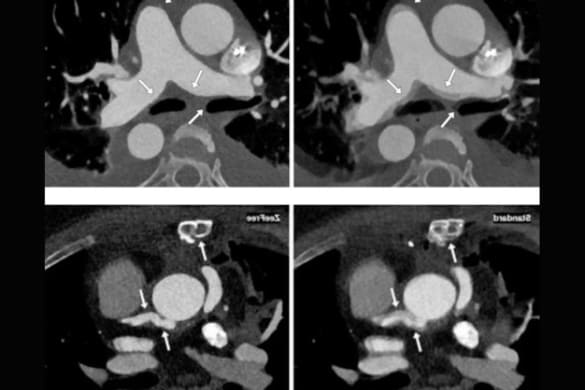
The primary outcome measured was valve symmetry, assessed through fluoroscopy. After postdilation, the median asymmetry index improved to 1.2% compared with 2.8% in the control group, representing a 70% reduction. The intervention also increased valve area at key points, as measured by CT scans, and enhanced blood flow. Rates of mild or worse paravalvular leaks and leaflet thickening were lower in the postdilation group, indicating potential long-term benefits for valve function.
Participants in the study had a median age of 81 years, and 46.6% were women. Their surgical risk, estimated by the EuroSCORE II, was relatively low at 2.3%, suggesting they could tolerate the procedure well. The trial incorporated a sham procedure for the control group to ensure neither patients nor evaluators knew who received postdilation.
While the study demonstrated geometric and functional improvements, it found no significant increase in early complications from routine postdilation. At 30 days, 24.3% of patients in the intervention group experienced a composite safety event, such as stroke, bleeding, or vascular injury, compared with 31.1% in the control group. Pacemaker implantation rates were similar between groups, at about one in five patients. However, the small sample size means rare but serious complications cannot be ruled out.
Read Also: Therapeutic Plasma Exchange Aids Critical Streptococcal Shock
The findings contradict the long-standing belief that postdilation should only be used when valve deployment clearly fails. Previously, doctors avoided routine postdilation due to fears of annular injury, embolism, or conduction disturbances. This study suggests those concerns may have been overstated, at least for carefully selected patients.
Limitations remain, however. The trial was conducted at a single center and involved a small, carefully chosen group, with outcomes tracked for only three months. Longer follow-up is necessary to confirm whether improved valve geometry leads to fewer repeat procedures or better survival rates. The results may not apply to other valve types or patients with complex anatomies.